

Ford Dealer Financing: Everything You Need to Know about Ford Lease Deals
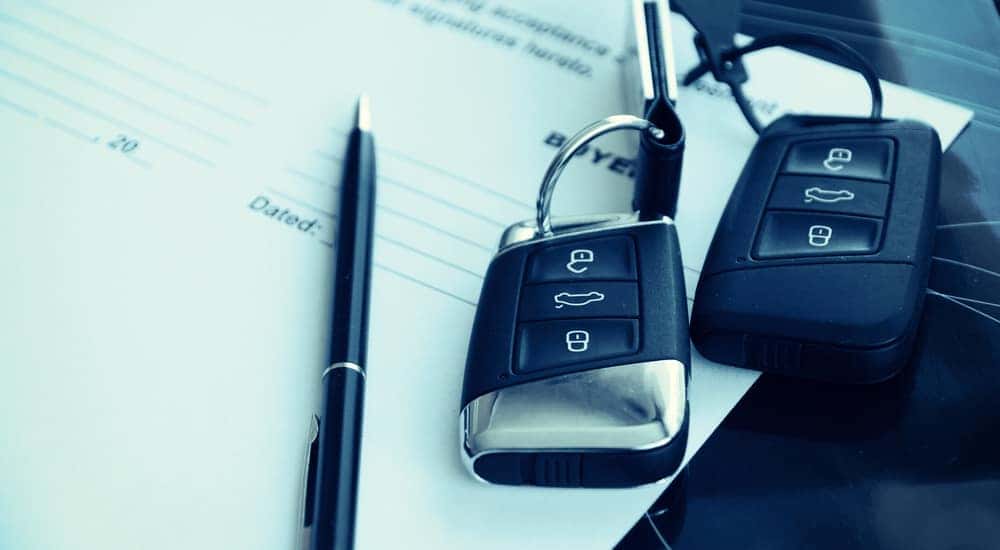
While most of us are familiar with the basic concept of leasing a vehicle, there are some things you should understand completely before you sign on the dotted line for your Ford Dealer Financing. (And just in case you’re not sure, lease deals let you use an automobile for a specific time frame in exchange for your periodic payments, usually monthly.) It’s also called a “let.” That’s easy enough to remember, because the leasing company, or the “lessor,” is letting you, the “lessee,” use the vehicle for the contract period as long as you hold up your end of the bargain and make payments as scheduled.
As with a rental, you’re borrowing the vehicle for the lease period instead of borrowing the money to purchase the vehicle, as you would if you choose a financed car loan. Some leases have the additional benefit of allowing you to own the leased vehicle by purchasing it for a certain amount at the end of the lease period. Often, you also have the chance to extend your lease agreement if you wish. But this basic definition really just scratches the surface of what you should know before negotiating and entering into one of these Ford lease deals.
When is a car lease a better option than a loan?
Lease periods tend to be relatively short compared to the time you’ll make payments on most car loans. If you’re the type of person who’ll want to trade in your vehicle or upgrade to a newer model in two or three years, a lease is a perfect way to allow for that flexibility. You won’t even need to sell your old car before buying the new one, as with a lease you don’t own the vehicle in the first place. You’re just paying for the use of it during the lease period.
The shorter time frame with a lease also means that often, your Ford will remain under its warranty the entire time you use it. That means you won’t need to worry about unexpected costs for most types of repairs. If your budget’s ever been burned by a hefty surprise bill from the mechanic, you already know what a difference remaining under warranty can make. Some warranties even cover expected maintenance on your vehicle, too. Check with our Ford Dealer Financing to see what our current offers are.
Many lease deals require lower down payments than similar loans. (As with an auto loan, however, this payment amount will hinge on your credit score.) The initial payment for a lease is often called a cap cost reduction. You may even find you’re able to negotiate your way out of making a down payment at all. Leases also tend to have lower monthly payments than if you were to purchase the same vehicle outright, so a lease can save you money each month as well as in the long run. As a result, you may be able to afford a vehicle that you wouldn’t be able to pay for if you purchased it outright or by using a financed auto loan.
The lower cost here is because, with a lease, you’re paying only for the depreciation in the value of the vehicle you’re driving as opposed to the cost of making it yours. If you use your car for business purposes, look into tax write-offs, which can save you even more. If you’re looking to build equity, however, a lease probably isn’t right for you. At the end of the lease, unless you have the option to purchase, you won’t own anything. Even older vehicles have value as long as they’re running, whether you choose to sell your car or trade it in when it’s time for an upgrade. The one exception when a purchase will be cheaper than a lease is if you have a big chunk of change to offer as a down payment.
When is an auto loan a better fit than a lease deal?
Because you generally return a vehicle at the end of the lease period, if you have a history of being rough on your vehicles—inside or out—leasing may not be your best option. If you decide to go for a lease agreement, be sure to check into the wear and tear fees or security deposit costs, so you know exactly what you’ll be charged for damages to the vehicle. (And if you have a track record of depreciating cars quickly, don’t let yourself fall into the trap of thinking this time will be different.)
Though lease deals offer lots of flexibility, expect to pay the equivalent of six months of payments if you want to end your lease early. In other words, if you choose a lease agreement, try to be sure you’ll keep the vehicle for as long as you’ve agreed the lease period will last. Otherwise, you’ll most likely end up facing one of these early termination fees.
If your credit isn’t good (in fact, if you wouldn’t be comfortable calling it “excellent,”) you may not be successful in finding a lease option that’s available to you. And though lease deals let you save on the down payment and monthly costs, in the long term, continuing to lease will be more expensive than purchasing a car. After all, once your loan payment term has ended when you buy a Ford car or truck, you’ll own a vehicle you can drive free and clear—with no associated payments.
If you know that you’ll be putting considerable mileage on your car during the lease period, an auto loan may work better for you. Leases usually come along with restrictions on how much you can drive the car while it’s in your possession. (The cap is usually between 9,000 and 15,000 miles per year.) Take an honest look at your last vehicle’s history over time, if you’ve owned one, or carefully examine your current lifestyle and how any changes may affect your lease. Mileage fees can add up quickly. Uber or Lyft drivers (or those who work for other ride-sharing services) should consider the mileage cap as well as checking the fine print for conditions against leasing a car to use in their work.
By now, you should have a clear idea of what leasing means, what it would entail for you, and whether it’s a good option for your current habits or future plans. We’ll leave you with a few final considerations. Read the fine print closely, and ask plenty of questions when taking advantage of a dealership’s advertised lease deal.
Often, a company advertises a monthly payment amount that takes a sizable down payment into account, which may or may not be in your budget. As with a car purchase, your monthly cost also depends on the total amount you negotiate for the vehicle, so don’t ignore that part of the equation. And although it’s unlikely, should you have an accident that wrecks your new car or have the misfortune of it being stolen in the first months of your lease agreement, your initial payment probably won’t be refunded. However, a good insurance plan should cover the value of the car and reimburse the dealership.
Knowledge is power—and now you have the power to choose the best way to get into the car you want to drive.

0 comment(s) so far on Ford Dealer Financing: Everything You Need to Know about Ford Lease Deals